
The Complete Guide to Commercial Kitchen Ventilation
Commercial kitchens and food manufacturing facilities depend on effective ventilation to maintain safe working conditions, manage heat and moisture, and support efficient operations.
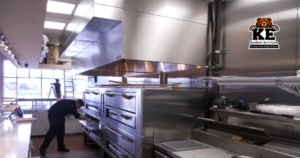
Commercial kitchen ventilation systems help manage heat, smoke, grease-laden vapors, and airflow to support safe, efficient foodservice operations.
Whether planning a new installation or upgrading an existing system, selecting the right ventilation equipment is an important part of facility management.
However, commercial kitchen ventilation involves more than installing an exhaust hood or selecting a fan. A properly designed system must account for cooking processes, equipment requirements, replacement air, building pressure, and applicable safety standards.
For facilities managers evaluating commercial kitchen ventilation services, understanding these considerations can help simplify the selection process, avoid costly installation problems, and support long-term system performance.
Why Is Commercial Kitchen Ventilation Important?
Commercial cooking and food production processes can generate significant amounts of heat, steam, grease-laden vapors, smoke, and odors.
Without adequate ventilation, these conditions can create uncomfortable working environments, contribute to moisture-related problems, and interfere with facility operations.
An effective commercial kitchen ventilation system helps:
- Remove heat and cooking byproducts: Capture and exhaust heat, smoke, grease-laden vapors, and odors generated during cooking operations.
- Manage moisture: Reduce steam and excess humidity that can contribute to condensation and equipment deterioration.
- Support employee comfort: Help maintain more manageable working conditions in heat-intensive environments.
- Maintain appropriate building pressure: Balance exhaust airflow with replacement air to reduce unwanted pressure imbalances.
- Support ventilation compliance: Address applicable mechanical, fire safety, and installation requirements.
- Improve operational reliability: Provide airflow appropriate for the facility’s equipment and daily production demands.
The specific ventilation requirements depend on the facility’s equipment, processes, layout, and operating conditions.
Understanding Commercial Kitchen Ventilation System Components
A commercial kitchen ventilation installation typically involves several components working together to manage airflow and maintain appropriate operating conditions.
Exhaust Hoods
Commercial kitchen exhaust hoods capture heat, smoke, grease-laden vapors, and other cooking byproducts near their source.
Two common classifications are:
Type I hoods: Designed for cooking operations that generate grease or smoke. These systems have specific requirements for grease exhaust and fire protection.
Type II hoods: Generally used to remove heat, steam, and other non-grease-laden cooking byproducts in applications where permitted.
The appropriate hood depends on the cooking equipment, the emissions generated, and applicable code requirements.
Exhaust Fans
Exhaust fans move contaminated or heated air out of the facility.
Fan selection must account for the airflow required by the application and the resistance created by ductwork, hoods, filters, and other system components.
An improperly selected fan can contribute to inadequate exhaust performance, excessive noise, or unnecessary energy consumption.
Makeup Air Systems
When large volumes of air are exhausted from a commercial kitchen, replacement air must be introduced.
Without sufficient makeup air, the building can develop negative pressure that affects ventilation performance, door operation, and airflow between adjacent spaces.
Properly coordinated supply and exhaust systems help maintain appropriate pressure relationships.
Ductwork and Airflow Controls
Ductwork transports exhaust air away from cooking and production areas, while appropriately selected controls help manage airflow.
These components must be compatible with the application, particularly when handling grease-laden exhaust.
Fire Protection Equipment
Commercial cooking operations that produce grease-laden vapors may require specialized fire suppression equipment and other protective measures.
The applicable requirements depend on the equipment, installation, and governing codes.
Commercial Kitchen Ventilation Compliance: What Should Facilities Managers Know?
Ventilation compliance is an important consideration when planning a new commercial kitchen or modifying an existing installation.
Depending on the application and jurisdiction, relevant standards may include:
- NFPA 96: Addresses ventilation control and fire protection for commercial cooking operations.
- International Mechanical Code (IMC): Includes requirements for commercial kitchen exhaust systems, hoods, ductwork, and makeup air.
- UL 710: Establishes requirements for listed Type I commercial kitchen exhaust hoods.
- Local building and fire codes: May establish additional installation, inspection, and operational requirements.
Not every standard applies to every facility in the same way. Local code adoption, equipment type, cooking processes, and the authority having jurisdiction determine which requirements must be satisfied.
Food manufacturing facilities may also have ventilation requirements that extend beyond conventional commercial cooking systems, particularly where processes involve airborne contaminants, humidity control, or specialized production environments.
Ventilation compliance should be considered during the earliest stages of system planning rather than after equipment has been selected.
Working with qualified ventilation professionals and the appropriate code authorities can help facilities managers identify applicable requirements before installation begins.
How Should Facilities Managers Select Commercial Kitchen Ventilation Services for New Installations?
Choosing a ventilation service provider involves more than comparing equipment prices.
A successful installation requires an understanding of the facility’s operations, environmental conditions, and long-term requirements.
Facilities managers should consider the following factors when evaluating commercial kitchen ventilation services.
- Experience with Similar Facilities
Commercial kitchens, food processing plants, and distribution facilities can have significantly different ventilation requirements.
A provider should understand the challenges associated with the specific application, including cooking processes, heat generation, moisture, equipment placement, and operating schedules.
- Understanding of Applicable Requirements
Ventilation providers should be familiar with the relevant mechanical and fire safety requirements and be prepared to coordinate with qualified designers, installers, and local authorities.
Facilities managers should also clarify which party is responsible for permits, inspections, testing, and documentation.
- Complete System Evaluation
Effective ventilation system selection requires evaluating the entire airflow path.
Exhaust fans, makeup air, ductwork, filtration, and other components must operate together to provide the intended performance.
Selecting individual components without considering their interaction can result in airflow restrictions or pressure imbalances.
- Equipment Suitability and Reliability
Ventilation equipment should be selected for the conditions in which it will operate.
Factors such as temperature, moisture exposure, cleaning requirements, operating hours, and maintenance accessibility can influence equipment selection.
- Ongoing Support and Maintenance
A ventilation system must continue performing after installation.
Facilities managers should evaluate the availability of replacement components, maintenance support, troubleshooting assistance, and future system modifications.
The right commercial kitchen ventilation services should address both immediate installation requirements and the facility’s long-term operating needs.
Commercial Kitchen Ventilation for Food Manufacturing Facilities
Food manufacturing facilities often have more complex environmental requirements than conventional commercial kitchens.
In addition to cooking exhaust, these operations may need to manage humidity, airborne particles, odors, heat, and pressure relationships between production areas.
For example, a commercial bakery may require ventilation that addresses heat generated by ovens, while a food processing facility may need additional moisture control in washing, cooking, or packaging areas.
Other operations may require specialized ventilation or dust collection to manage process-generated contaminants.
Because of these differences, facilities managers should avoid assuming that a conventional kitchen exhaust system will address every ventilation challenge in a food manufacturing environment.
A comprehensive evaluation should consider how the facility’s production processes interact with its ventilation infrastructure.
Common Mistakes to Avoid During Ventilation System Selection
Even well-planned facilities can encounter ventilation problems when important operating conditions are overlooked.
Common mistakes include:
- Focusing only on exhaust capacity: Increasing exhaust airflow without evaluating makeup air can create building pressure problems.
- Selecting equipment without considering the complete system: Ductwork, filters, hoods, and other components influence actual airflow performance.
- Overlooking moisture and heat loads: Cooking and food manufacturing processes can generate environmental conditions that require additional control.
- Failing to plan for future changes: New equipment, expanded production, or modified layouts can alter ventilation requirements.
- Treating compliance as an afterthought: Applicable requirements should be identified before equipment selection and installation.
- Neglecting maintenance accessibility: Difficult-to-service equipment can increase long-term maintenance challenges.
Avoiding these issues begins with understanding the facility’s specific requirements and selecting equipment accordingly.
How KE Systems Supports Commercial Kitchen and Food Facility Ventilation
Commercial kitchen and food manufacturing ventilation projects require careful coordination between facility operations, equipment selection, and system performance.
KE Systems works with commercial and industrial facilities to address mechanical equipment and facility support needs, helping customers evaluate practical solutions for demanding operating environments.
For projects involving ventilation, an important first step is understanding the existing equipment, operating conditions, and requirements of the facility.
Whether planning a new installation, evaluating replacement equipment, or addressing recurring performance concerns, facilities managers benefit from working with knowledgeable professionals who understand the importance of dependable mechanical systems.
For specialized cooking exhaust applications, appropriate coordination with qualified kitchen ventilation designers, installers, and fire protection professionals remains essential.
Frequently Asked Questions About Commercial Kitchen Ventilation
How should food manufacturers choose commercial kitchen ventilation services for compliance?
Food manufacturers should select providers with experience in their specific processes and an understanding of applicable mechanical, fire safety, and facility requirements. The selection process should include evaluating system design capabilities, equipment suitability, installation responsibilities, documentation, and ongoing maintenance support. Compliance requirements should be verified with the appropriate authorities.
How should facilities managers select commercial kitchen ventilation services for new installations?
Facilities managers should begin by identifying the facility’s cooking equipment, heat and moisture loads, operating conditions, and applicable codes. They should then evaluate providers based on relevant experience, system-level expertise, equipment reliability, coordination capabilities, and long-term service support.
What is the difference between Type I and Type II kitchen exhaust hoods?
Type I hoods are used for cooking operations that produce grease or smoke and are subject to specialized grease exhaust and fire protection requirements. Type II hoods generally address heat, steam, and other non-grease-laden emissions where permitted by applicable codes.
Why is makeup air important in commercial kitchen ventilation?
Makeup air replaces air removed by exhaust systems. Without sufficient replacement air, negative building pressure can interfere with exhaust performance and affect airflow throughout the facility.
Do food manufacturing facilities need different ventilation systems than commercial kitchens?
They may. Food manufacturing facilities often have additional requirements related to process heat, humidity, airborne contaminants, dust collection, sanitation, and environmental control. The appropriate system depends on the processes and equipment involved.
When should an existing commercial kitchen ventilation system be evaluated?
An evaluation may be appropriate when a facility experiences excessive heat, persistent odors, inadequate exhaust, pressure imbalances, recurring equipment problems, or changes in production equipment or operating requirements.
Planning a Commercial Kitchen Ventilation Project? Start with the Right Support.
Selecting commercial kitchen ventilation services is an important decision for facilities managers responsible for safe, efficient, and dependable operations.
From ventilation compliance and equipment selection to airflow management and long-term maintenance, successful projects require an understanding of the complete system.
Whether you’re planning a new commercial kitchen installation or evaluating ventilation challenges in an existing food manufacturing facility, identifying the right equipment and service partners early can help prevent costly complications.
Planning a new facility or experiencing problems with your existing ventilation equipment? Contact KE Systems to discuss your facility’s needs and learn how our team can support your next project.